
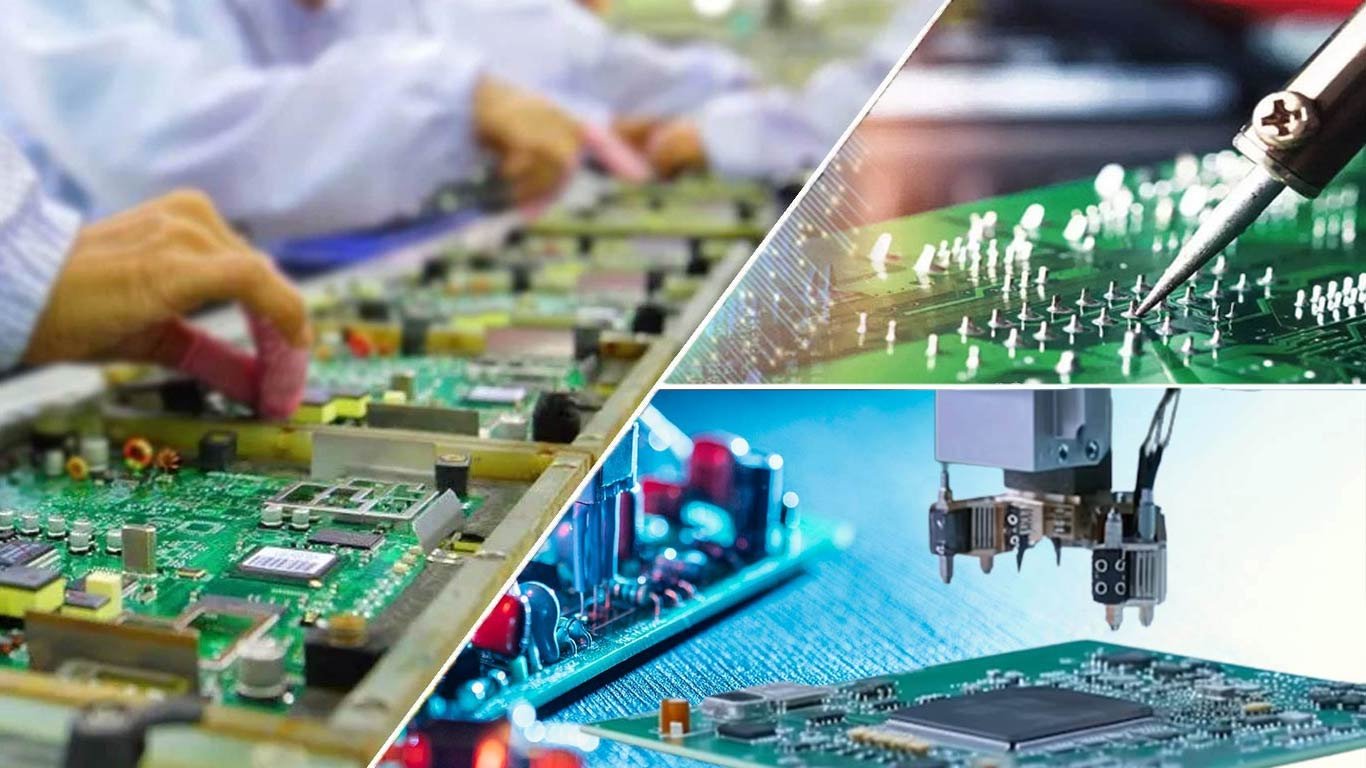
India has amended tax rules to allow foreign companies to provide manufacturing equipment to local contract manufacturers without triggering tax exposure.
India has introduced changes to its income tax framework that will allow foreign electronics companies, including Apple, to provide manufacturing equipment to Indian contract manufacturers without triggering additional tax liabilities.
The move, announced as part of Finance Minister Nirmala Sitharaman’s 2026–27 Union Budget, is aimed at strengthening India’s electronics manufacturing ecosystem and accelerating export-led production growth.
The policy change comes as Apple continues expanding manufacturing operations in India as part of its broader supply chain diversification strategy beyond China.
According to Counterpoint Research data cited in the report, India’s share of global iPhone shipments has increased to 25% since 2022, while China’s share has declined to around 75% over the same period. Meanwhile, iPhone market share in India has doubled to 8% since 2022.
Apple had reportedly pushed for amendments to India’s tax rules over concerns that ownership of manufacturing machinery provided to contract manufacturers could be interpreted as establishing a “business connection” in India, potentially exposing the company to taxation on iPhone sales profits.
Under the previous framework, Apple’s contract manufacturing partners, including Foxconn and Tata Electronics, had to independently invest billions of dollars in manufacturing equipment.
The revised rules now provide a five-year exemption for foreign companies supplying machinery, tooling, or capital equipment to Indian contract manufacturers operating in customs-bonded manufacturing zones.
Revenue Secretary Arvind Shrivastava said the government aims to provide long-term certainty to global electronics manufacturers investing in India.
“We are saying that if you bring your machine, and that machine is used by a local manufacturer to produce something, we will exempt you for 5 years,” Shrivastava said during a post-budget press conference.
The exemption will remain applicable until the 2030–31 tax year and will apply only to facilities operating in customs-bonded zones, which are primarily designed for export-oriented manufacturing.
Industry experts said the change could reduce upfront investment pressure on contract manufacturers and encourage multinational electronics firms to scale production operations more aggressively in India.
Shankey Agrawal described the reform as removing a significant investment barrier for global electronics manufacturers.
“This exemption removes a key deal-breaking risk for electronics manufacturing in India,” Agrawal said. “The result is faster scale-up and greater confidence for global electronics players to manufacture in India.”
The policy shift forms part of India’s broader push to strengthen domestic electronics manufacturing under Prime Minister Narendra Modi’s industrial and export-led growth agenda.
India has increasingly positioned itself as an alternative manufacturing destination for global technology firms amid geopolitical tensions, supply chain diversification efforts, and rising investments in semiconductors, electronics assembly, and export infrastructure.
The latest changes are expected to further support large-scale manufacturing investments from multinational technology companies operating in India’s expanding electronics ecosystem.
Key Takeaways
• India amended tax rules for foreign electronics manufacturers supplying equipment to Indian factories
• The move addresses concerns raised by Apple over potential tax exposure
• The exemption applies for five years and runs until the 2030–31 tax year
• Apple continues expanding manufacturing operations in India as part of supply chain diversification
• The policy aims to accelerate electronics exports and manufacturing investments in India
Source: Reuters